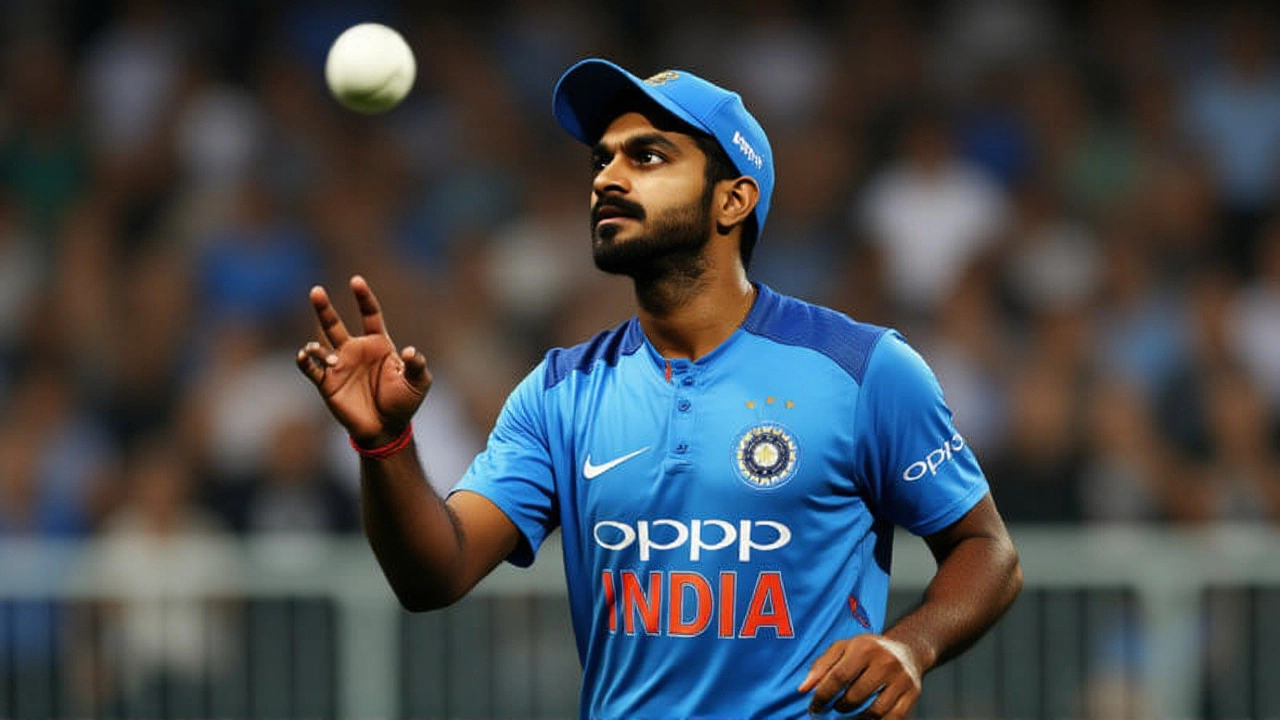
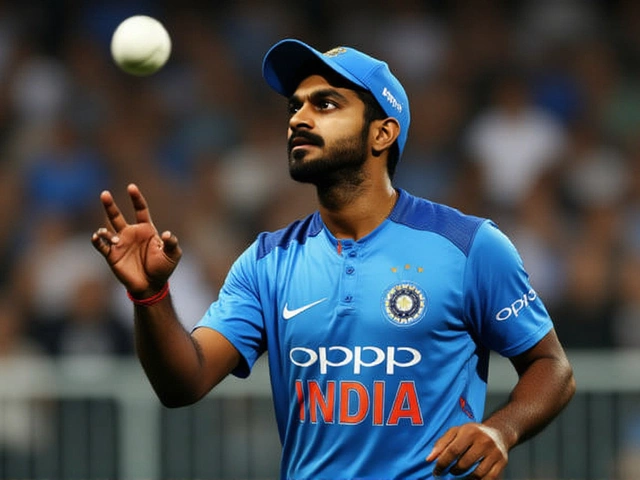
When Vijay Shankar, Indian all-rounder, announced his retirement from domestic cricket and the Indian Premier League (IPL) on Friday, May 22, fans were left grappling with a surprising twist: he isn't quitting international cricket. The 35-year-old took to social media to share an emotional post marking the end of a 25-year journey in local circuits, leaving many to wonder why a player still in his prime would step away from the lucrative franchise league.
The announcement came out of nowhere for most followers. One minute, you're watching highlights of his explosive batting; the next, he's saying goodbye to the Ranji Trophy and the IPL auction circuit. Here's the thing—this isn't a full retirement. It's a strategic pivot that could reshape how we view career longevity in Indian cricket.
A Strategic Exit From Local Circuits
Shankar’s decision was made public via a heartfelt message on social media platforms. While reports vary slightly on whether the initial post appeared on Instagram or X (formerly Twitter), the sentiment remained consistent across all channels. He cited the physical toll of playing multiple formats simultaneously as a key factor. "After 25 years of cricket," he wrote, referencing his long journey from junior levels to professional stardom, "it is time to focus on what matters most right now."
This move effectively removes him from the upcoming IPL mega-auction pool, a significant blow to franchises looking for experienced middle-order batsmen who can bowl handy medium pace. In the high-stakes world of the IPL, where every spot is worth millions, losing a proven performer like Shankar creates immediate ripple effects. Teams that had banked on his experience will now need to scramble for replacements.
Clarifying The Scope Of Retirement
It’s crucial to understand exactly what this means. Vijay Shankar is retiring from domestic cricket and the IPL. He remains eligible for selection in the Indian national team for Tests, ODIs, and T20Is. This distinction is vital. Many players use the IPL as a bridge to international call-ups, but for Shankar, it seems to have become a burden rather than a boost.
The physical demands of playing county-style domestic matches followed by intense IPL seasons are brutal. For a 35-year-old, managing fitness while maintaining peak performance in both arenas is nearly impossible. By stepping back from the grind of domestic tournaments like the Ranji Trophy and Syed Mushtaq Ali Trophy, he frees up energy to perform when it counts—on the international stage.
Reactions And Industry Impact
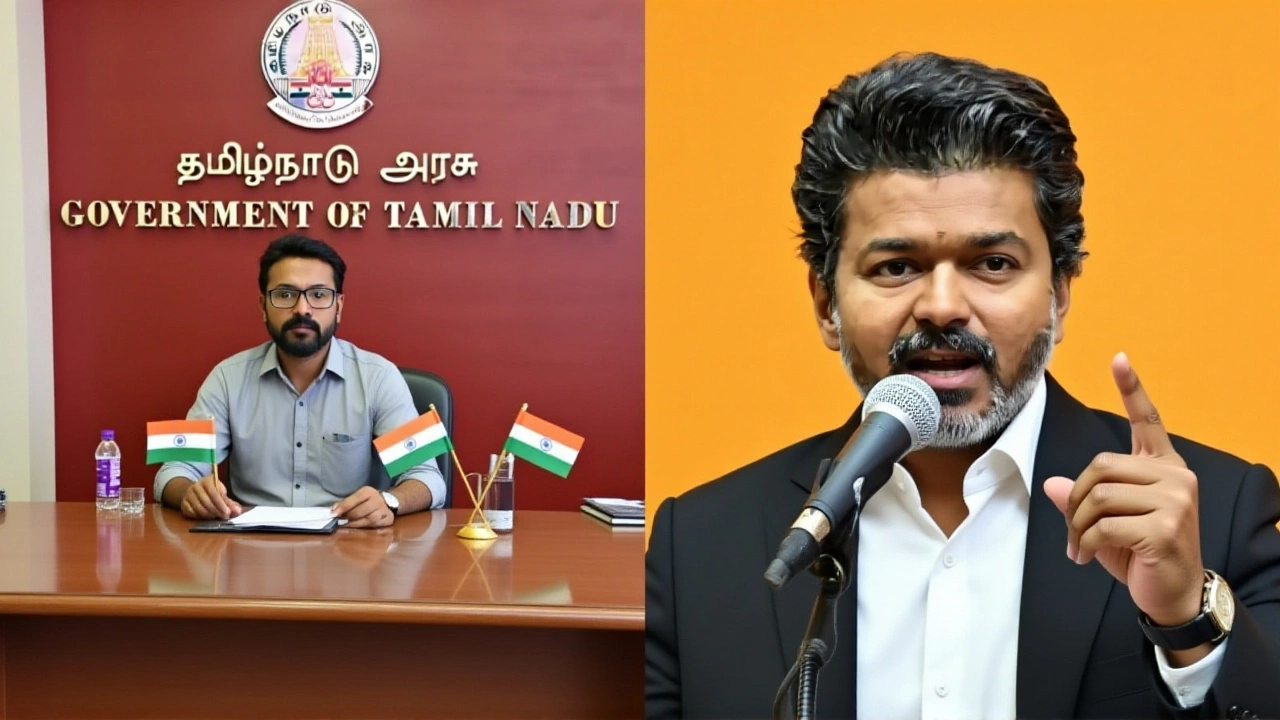
Cricketers’ unions and former teammates have expressed mixed feelings. Some see it as a brave move to prioritize mental and physical health. Others worry it sets a precedent where senior players might opt out of domestic duties, potentially weakening the grassroots pipeline. "It’s his body, his choice," said one anonymous coach close to the setup. "But domestic cricket needs its stars to stay engaged."
The financial implications are also notable. IPL contracts often form the bulk of a cricketer’s earnings outside central contracts. By opting out, Shankar is foregoing substantial income. However, if this allows him to extend his international career by even two more years, the trade-off might be worth it. International caps come with their own prestige and financial security through BCCI central contracts.
What Lies Ahead For Shankar?
With domestic commitments gone, Shankar’s schedule will look drastically different. Expect to see him focused solely on national camps and international tours. This mirrors the path taken by other veterans who streamlined their schedules to prolong their careers. Think of players like MS Dhoni or Rohit Sharma, who managed workloads carefully to remain relevant at the top level.
For fans, this means fewer chances to see him in local derbies but potentially more impactful performances in India colors. The question remains: Can he maintain his form without the regular game time provided by domestic leagues? That’s the gamble he’s taking.
Historical Context And Precedents
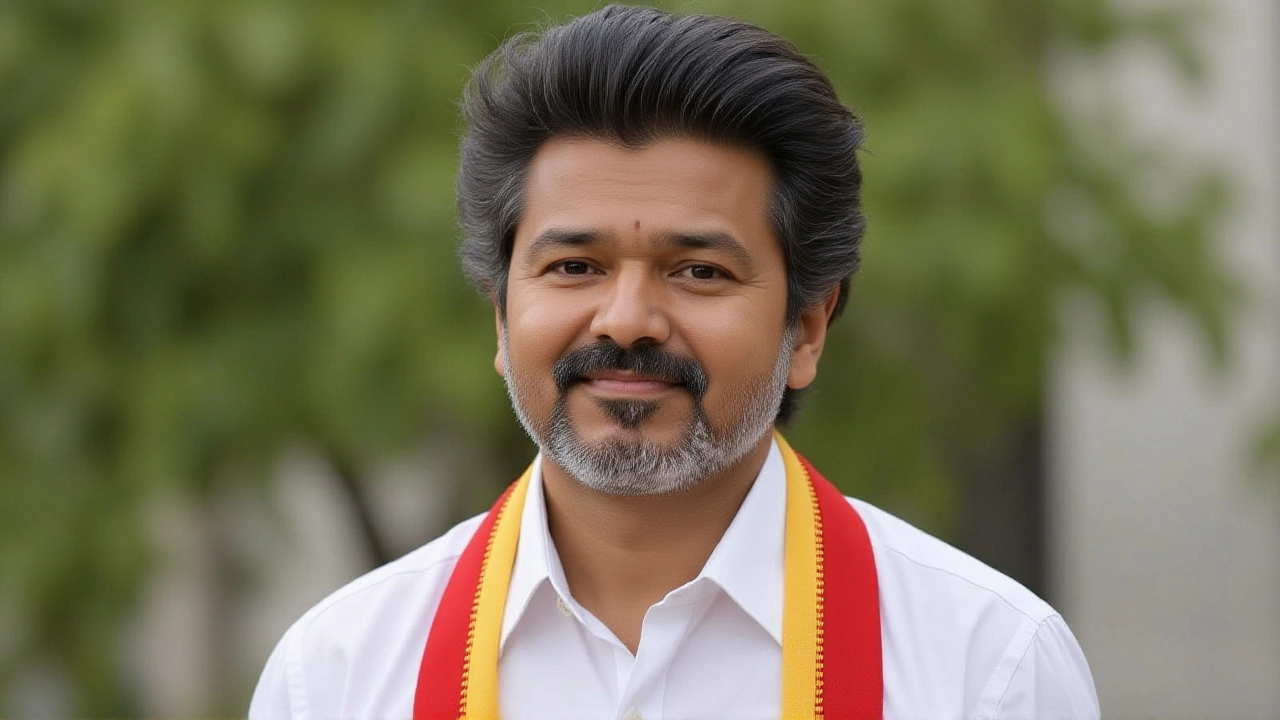
While rare, this isn’t entirely unprecedented. Several Indian cricketers have scaled back domestic participation to focus on internationals. However, explicitly announcing retirement from the IPL—a league synonymous with glamour and money—is unusual. Most players cling to IPL spots until forced out by auctions or age.
Shankar’s case highlights a growing trend among senior players seeking balance. As cricket becomes more year-round and physically demanding, burnout is real. His decision may inspire others to reconsider their workload, pushing boards to rethink how they manage player welfare across formats.
Frequently Asked Questions
Is Vijay Shankar retiring from international cricket?
No, Vijay Shankar is not retiring from international cricket. He has only retired from domestic cricket and the Indian Premier League (IPL). He remains eligible for selection in the Indian national team for Test, ODI, and T20I matches.
Why did Vijay Shankar choose to retire from the IPL?
Shankar cited the physical and mental toll of playing multiple formats simultaneously. At 35, managing the rigorous schedule of domestic tournaments alongside the IPL became unsustainable. Stepping back allows him to focus exclusively on international cricket and preserve his fitness.
Will Vijay Shankar participate in the upcoming IPL auction?
No, he will not participate. Since he has retired from the IPL, he is no longer available for selection by franchises in the upcoming mega-auction. This decision impacts teams that were considering bidding for his experience.
How does this affect his future career prospects?
By reducing his workload, Shankar aims to extend his international career. While he loses IPL income, focusing on national duty may help him maintain peak form for longer. If successful, this strategy could add several more years to his tenure with the Indian team.


Post A Comment