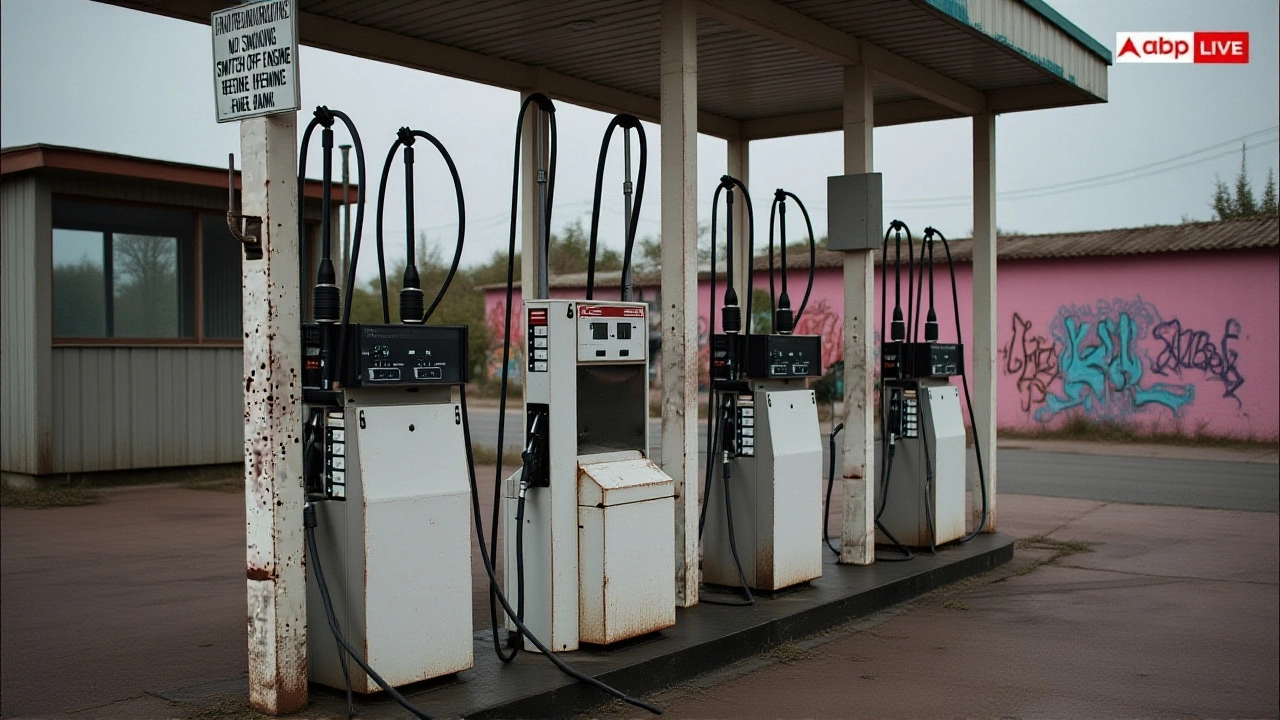
Here’s the thing about filling up your car in India: there is no national law capping how much petrol or diesel you can buy for your vehicle. Yet, if you’ve visited a pump recently, you might have heard whispers of strict new limits. Confusing? Turns out, the reality depends entirely on whether you’re refueling your tank or carrying fuel away in a can.
On March 26, 2026, reports from Aaj Tak clarified the legal stance under the Petroleum Act of 1934. While standard refueling remains unrestricted, buying fuel in bulk containers triggers specific safety regulations. Meanwhile, local shortages in states like Odisha and Uttarakhand have led to temporary, unofficial caps that are causing panic among commuters.
The Legal Baseline: No Cap on Vehicle Refueling
Let’s clear the biggest myth first. If you drive up to a pump and fill your car’s tank, there is no statutory limit on quantity or frequency. You can fill up once, drive two miles, and fill up again. Theoretically, it’s allowed.
However, the moment you ask for fuel in a separate container, the rules change. Under normal circumstances, most pumps will dispense between 2 to 5 liters of petrol into an approved container without question. If you explain a genuine need—say, for a generator or a remote farm vehicle—many attendants will extend this courtesy to 10 liters. But that’s where the generosity usually stops.
The key here is the container itself. You won’t get fuel in a thin plastic water bottle. It has to be a steel jerry can or a heavy-duty, approved plastic container. This isn’t just bureaucracy; it’s a fire safety mandate rooted in decades-old legislation.
Bulk Purchases Require Permits
What happens if you need more than 10 liters? Say, 20, 50, or even 200 liters for business use? Here’s where the Petroleum Act of 1934 kicks in hard.
To purchase these larger quantities, you generally need a permit or license. The act governs the storage and transport of petroleum products to prevent accidents and illegal trade. Without proper documentation, selling large volumes of fuel to individuals is technically prohibited for standard retail pumps. This distinction is crucial: the law targets bulk storage risks, not daily commuting needs.

Local Shortages Create Temporary Chaos
But wait. If the national law allows unlimited refueling, why are people talking about "Rs 100 limits" or "50-liter caps"?
The twist is supply chain disruption. In regions facing acute fuel shortages, individual pump owners or local administrators often impose their own restrictions to manage inventory. For instance, recent reports from Jagatsinghpur in Odisha highlighted tensions over fuel availability. The local collector reportedly reprimanded pump operators regarding arbitrary limits, including a controversial "Rs 100 fuel limit" per transaction.
Similarly, in Balasore, diesel supplies were reportedly capped at 50 liters per day per vehicle to ensure fair distribution. These aren’t federal laws; they are emergency measures taken by local bodies when trucks don’t arrive on time. It’s a stopgap solution, but it feels like a crackdown to the average driver.
Regional Variations and Public Confusion
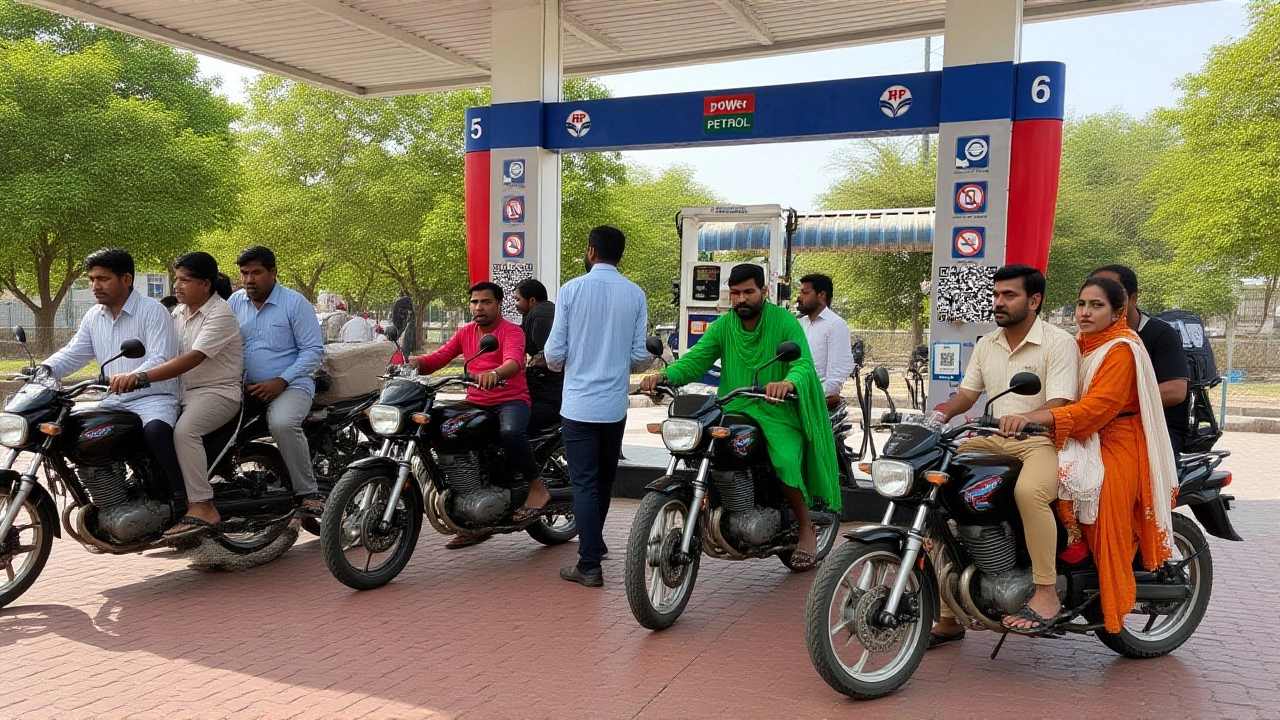
This patchwork of local rules creates confusion. In Nainital and other parts of Uttarakhand, videos circulating on social media questioned whether permanent limits had been imposed. The answer? Mostly no. But during peak tourist seasons or logistical bottlenecks, pumps may prioritize locals or restrict transactions to prevent hoarding.
Kanak News reported that some pumps implemented strict categorization, setting different limits for bikes, cars, and commercial vehicles. While not mandated by New Delhi, these local directives aim to curb speculation. When people fear a shortage, they buy more. That hoarding behavior exacerbates the very shortage they’re trying to avoid.
Why This Matters to Your Wallet
Understanding these rules protects you from scams and unnecessary stress. If a pump refuses to fill your tank completely, ask if it’s a supply issue or a policy error. If they refuse to sell you 10 liters in a jerry can, remember that discretion lies with the operator, though 10 liters is widely accepted as a reasonable upper limit for small containers.
For businesses, always carry your permits. Trying to bypass the Petroleum Act’s bulk purchase rules can lead to seized goods and fines. For commuters, keep an eye on local news. If you see headlines about "fuel crises" in your district, expect temporary, informal limits until supply stabilizes.
Frequently Asked Questions
Is there a legal limit on how much petrol I can put in my car?
No, there is no national legal limit on the amount of fuel you can dispense directly into your vehicle's tank. You can fill up as many times as you wish. However, during localized supply shortages, individual pump operators may temporarily restrict fills to manage stock, but this is not a federal law.
Can I buy 20 liters of petrol in a jerry can without a permit?
Generally, no. Under the Petroleum Act of 1934, purchasing large quantities like 20, 50, or 200 liters typically requires a valid permit or license. Most pumps will only sell 2 to 10 liters in approved containers (steel or heavy plastic) to individual consumers without additional documentation.
Why are some pumps imposing a Rs 100 or 50-liter limit?
These limits are usually temporary, local measures implemented during fuel supply disruptions. For example, in areas like Jagatsinghpur or Balasore, local administrators or pump owners set caps to prevent hoarding and ensure equitable distribution when truck deliveries are delayed. These are not permanent national policies.
What type of container do I need to buy fuel separately?
You cannot use ordinary plastic bottles. Fuel must be dispensed into approved containers, which are typically steel jerry cans or heavy-duty, certified plastic drums designed to handle flammable liquids safely. This is a mandatory safety regulation to prevent leaks and fire hazards.
Do fuel limits apply differently to bikes and commercial vehicles?
During shortage periods, yes. Local guidelines may impose stricter caps on commercial vehicles to prioritize public transport and essential services, while allowing slightly higher limits for private cars. Motorcycles often face the lowest caps due to their smaller tank sizes and higher frequency of refueling.



Post A Comment