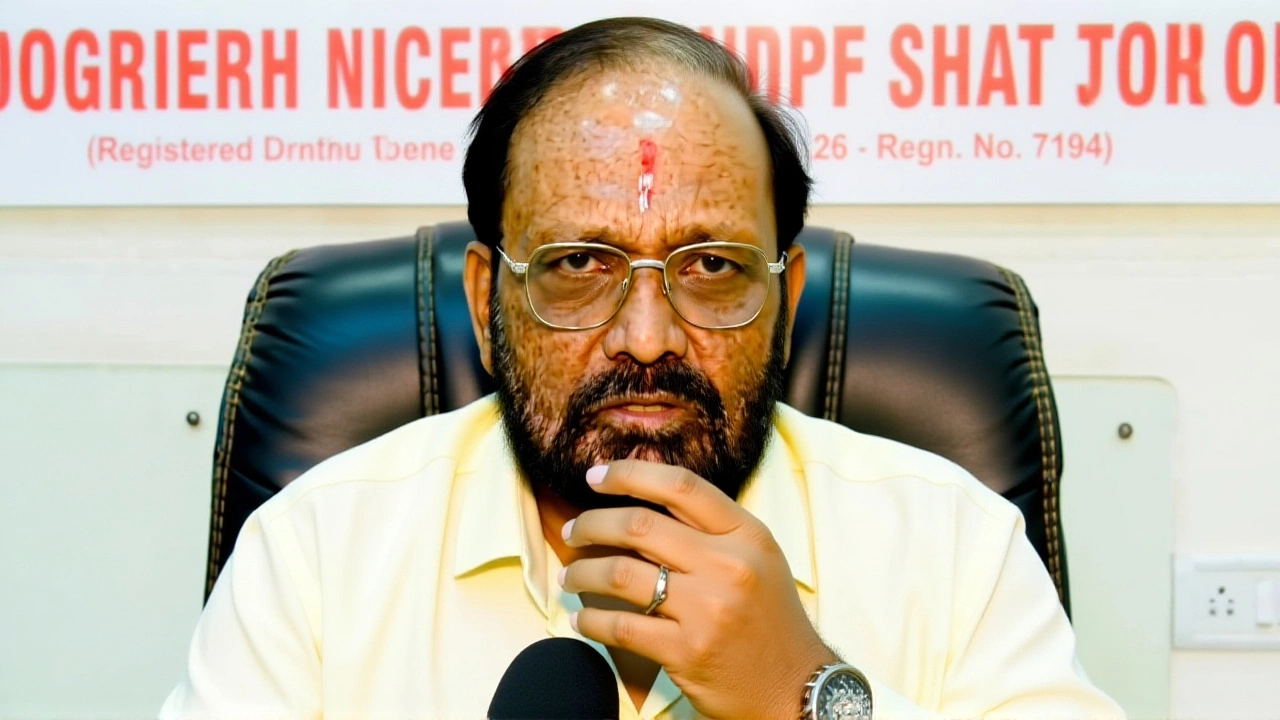
When B.N. Tiwari, President of Federation of Western India Cine Employees (FWICE), issued a stark warning this week, the glitz of Mumbai’s film capital felt suddenly fragile. He didn’t mince words: if conditions for ground-level workers don’t improve immediately, the entire Hindi Film Industry—colloquially known as Bollywood—could grind to a halt. Worse yet, he warned that thousands of employees might be forced onto the streets in protest.
Here’s the thing: we often see the stars on screen but rarely think about the hundreds of hands holding up every production. Tiwari’s statement isn’t just union rhetoric; it’s a cry from the trenches. The current state of affairs, he argues, is "absolutely not okay," and without urgent intervention, the existential threat to the industry is real.
The Breaking Point for Ground Crew
Tiwari’s concern centers specifically on the laborers, technicians, and support staff who form the backbone of film production. These aren’t the A-list actors negotiating multi-crore deals. We’re talking about makeup artists, set builders, lighting technicians, costume assistants, and drivers. For years, these individuals have operated in a precarious employment landscape, often lacking job security, health benefits, or consistent income streams.
"If things continue like this, one day this film industry will shut down completely, and people associated with it will come out onto the streets," Tiwari stated bluntly. The phrase "come out onto the streets" carries heavy weight in Indian political and social discourse. It signals mass agitation, potential strikes, and civil unrest. When a union leader uses such language, it means negotiations have likely broken down, and patience has run thin.
The twist is that this isn’t an isolated complaint. The post-pandemic recovery phase has been uneven. While some big-budget productions returned quickly, many smaller units struggled. Freelance workers, who make up a significant portion of the crew, faced prolonged periods of unemployment. Now, even as shoots resume, the financial pressure on these workers remains intense.
What FWICE Is Doing About It
FWICE represents the interests of cinema employees across Western India, primarily Maharashtra. Under Tiwari’s leadership, the federation claims to be making "every possible effort" to reach grassroots employees, understand their grievances, and secure justice for them. This involves direct engagement with workers on sets, documenting violations of labor norms, and pressuring producers and production houses to adhere to fair practices.
But wait—effort doesn’t always equal immediate results. The power dynamic in Bollywood heavily favors producers and distributors. Workers, especially those without strong union backing or high-profile connections, often feel powerless to demand better wages or safer working conditions. Tiwari’s warning suggests that FWICE believes soft diplomacy has failed. The next step? Hardball tactics.

Why This Matters Beyond the Silver Screen
Think of Bollywood not just as entertainment, but as an economic engine. It employs millions directly and indirectly—from catering services to transport, from hospitality to equipment rental. If the industry halts, the ripple effect extends far beyond Film City in Goregaon. Local economies in Mumbai and surrounding areas depend on the continuous flow of film projects. A shutdown wouldn’t just mean fewer movies; it would mean lost livelihoods for countless families.
Moreover, this situation highlights a broader issue in India’s creative sectors: the informalization of labor. Many film workers are hired on short-term contracts without formal agreements. This lack of structure leaves them vulnerable to exploitation. When a crisis hits—be it a pandemic, economic downturn, or internal dispute—they are the first to suffer and the last to recover.
Historical Context: Has This Happened Before?
This isn’t the first time tensions have boiled over in the Hindi film industry. In the past, unions have staged protests over censorship issues, tax policies, and payment delays. However, warnings of a total industry shutdown are rare. Previous disputes usually resulted in partial strikes or specific demands being met. Tiwari’s language indicates a deeper systemic failure rather than a single-point grievance.
Interestingly, similar labor unrest has occurred in other regional industries, such as Tamil cinema (Kollywood) and Telugu cinema (Tollywood), where technical staff have protested against delayed payments and poor working conditions. These parallel movements suggest that the challenges facing Bollywood are part of a larger trend affecting India’s entire film ecosystem.

What’s Next for Bollywood?
The details of any impending action remain unclear. There is no specific date announced for a strike or protest. However, the urgency in Tiwari’s tone suggests that talks are ongoing behind the scenes. Producers’ associations and government bodies may need to intervene to mediate between the union and the industry stakeholders.
If no resolution is found soon, we could see sporadic walkouts or coordinated stops on major sets. Such actions would disrupt release schedules, causing financial losses for investors and studios. For audiences, it might mean fewer new releases and delayed premieres. But for the workers involved, it’s a matter of survival.
Frequently Asked Questions
Who is B.N. Tiwari and why does his opinion matter?
B.N. Tiwari is the President of the Federation of Western India Cine Employees (FWICE), a powerful union representing thousands of technical and support staff in the Hindi film industry. His statements carry significant weight because FWICE has historically played a key role in regulating labor standards and resolving disputes within Bollywood. When he speaks, producers and policymakers listen.
What exactly are the "current conditions" Tiwari is criticizing?
While specific financial figures weren't released, the criticism targets the general socio-economic plight of ground-level workers. Issues include irregular payments, lack of job security, inadequate health coverage, and long working hours without proper compensation. Many workers operate as freelancers, leaving them vulnerable during slow periods in production cycles.
Could Bollywood really shut down completely?
A total, permanent shutdown is unlikely, but temporary halts or widespread strikes are possible. If FWICE organizes a mass walkout, filming could stop across multiple sets simultaneously. This would disrupt production pipelines and delay movie releases. Historically, such actions force negotiations, leading to temporary closures until demands are addressed.
How does this affect ordinary viewers?
Directly, viewers might experience delays in new movie releases or cancellations of scheduled premieres. Indirectly, it highlights the human cost behind entertainment. If the industry stabilizes, content flow resumes. However, prolonged unrest could lead to higher production costs, potentially affecting ticket prices or the scale of future films.
What is FWICE doing to resolve the crisis?
FWICE is actively engaging with grassroots employees to document their grievances and push for justice. They are advocating for better labor rights, timely payments, and improved working conditions. Tiwari indicated that the union is exhausting all diplomatic channels before resorting to more aggressive measures like strikes or public protests.


Post A Comment